
CHOOSE YOUR DACRON SAILS
Dacron sails remain the benchmark for simple, reliable sailing – and for good reason. Woven polyester cloth is tough, forgiving and easy to live with, making it a solid choice for day sailors, coastal cruisers and owners who value durability and straightforward handling over pure performance. It shrugs off a lot of abuse, is easy to maintain and doesn’t mind spending its life furled, flaked or folded.
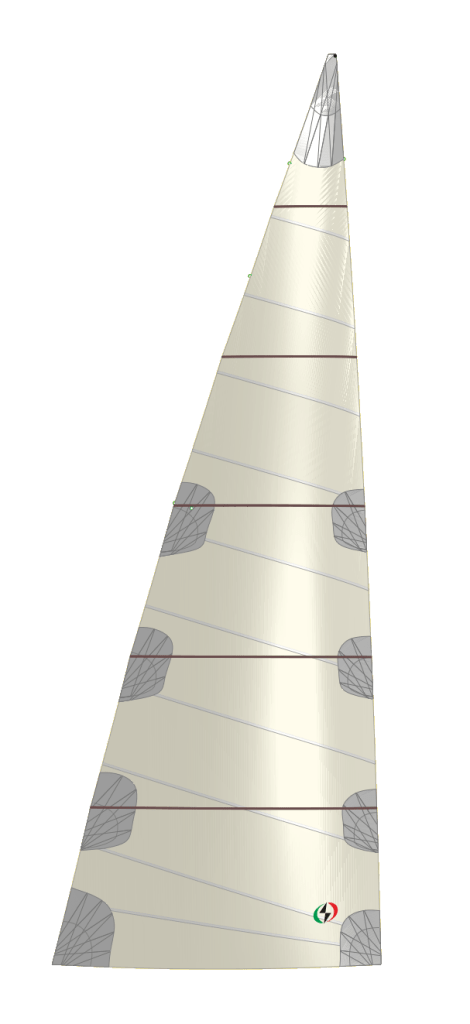
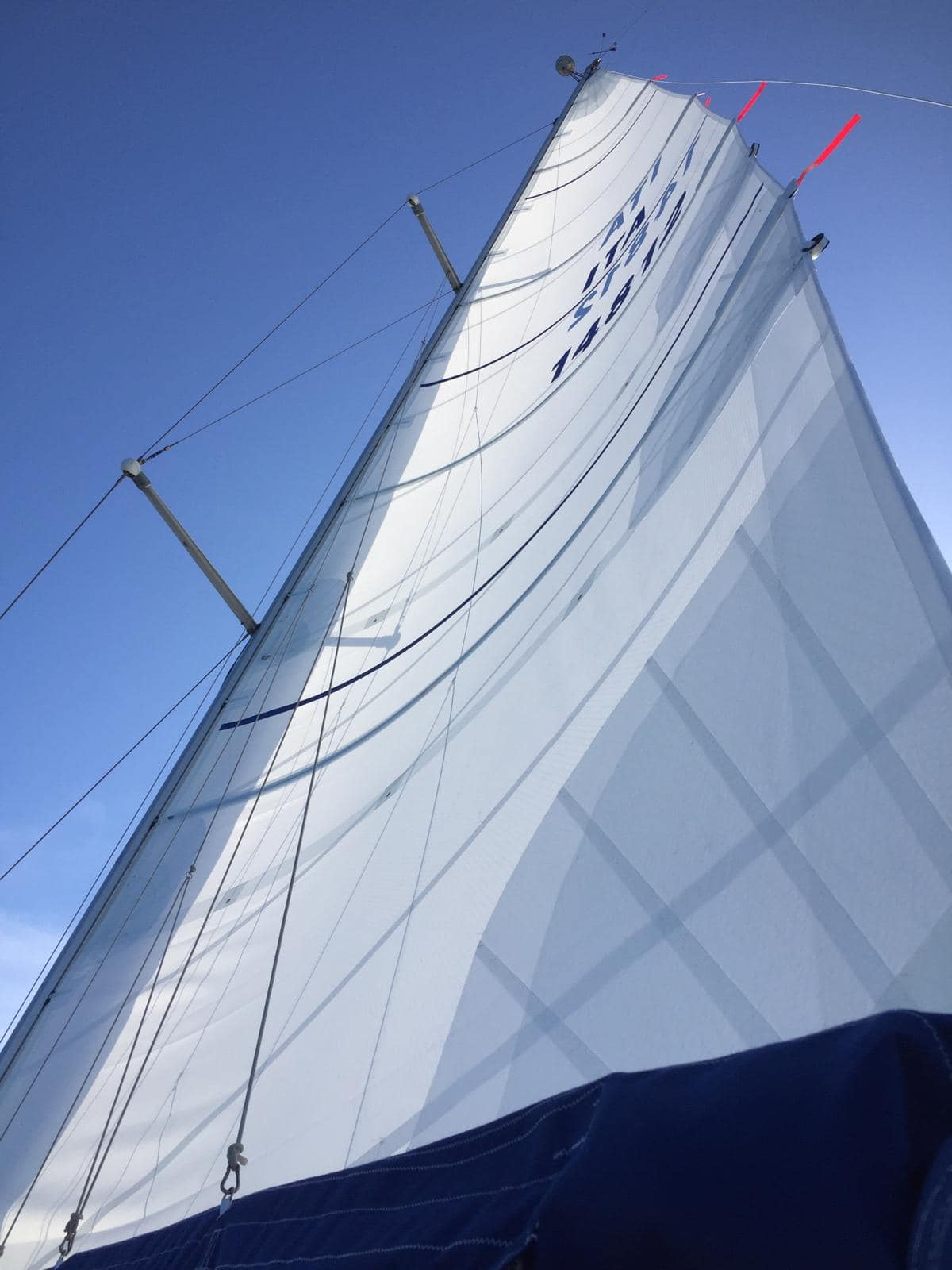
We believe every sailor can benefit from modern membrane sails. They’re lighter, more stable in shape and therefor simply faster. But not every project, budget or sailing program points in that direction, and for some owners a classic woven solution is still the right call.
That’s why we also build Dacron cruising sails at Banks Sails: honest, durable woven sails with smart cloth choices and careful design, so your boat stays balanced, controlled and easy to sail.
For our cruising Dacron sails we work with selected AP-quality woven polyester cloths that offer solid shape-holding and strength at a sensible price. This “all-purpose” construction is tough enough for serious miles, yet refined enough to keep the sail stable and comfortable across a wide range of conditions.
Options:
Sail material defines the limits of your sail: how light, how stiff, how tough. The design decides how close you can live to those limits without crossing them. That’s why we obsess over design first, and material second. Given a strong design, upgrading material brings real gains! With a weak design, you’re just throwing expensive fibers at a geometry problem.
» Durabilty
- 95%
» Lightness
- 35%
» Stretch
- 80%
» Price
- 20%
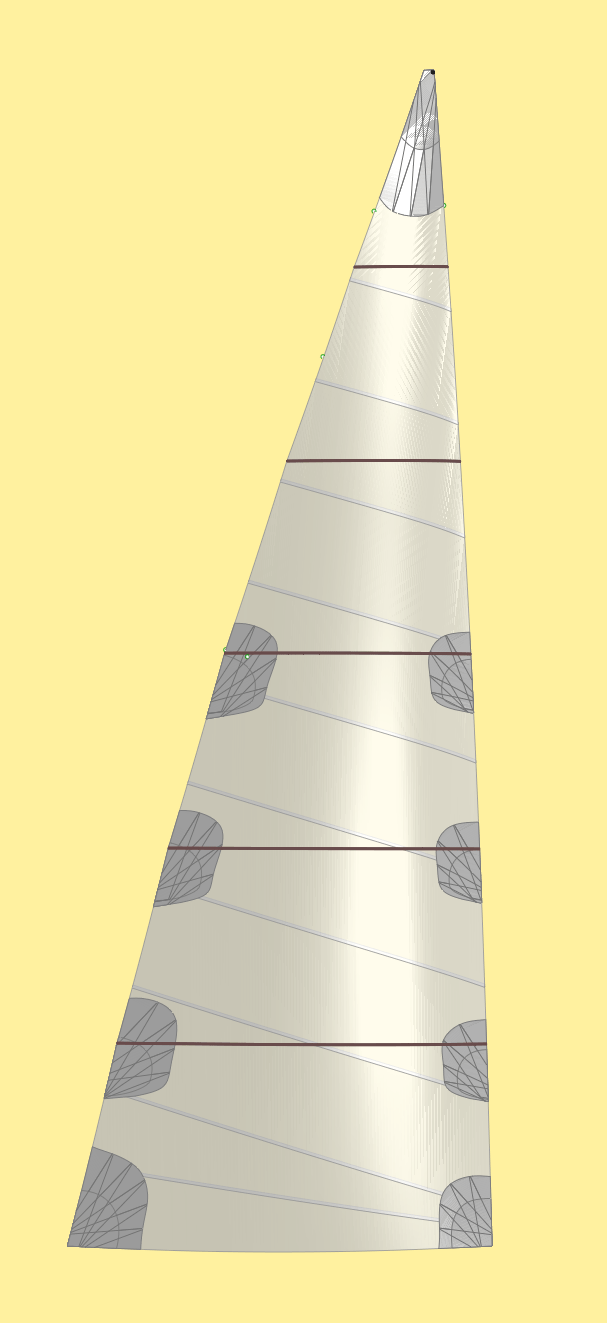
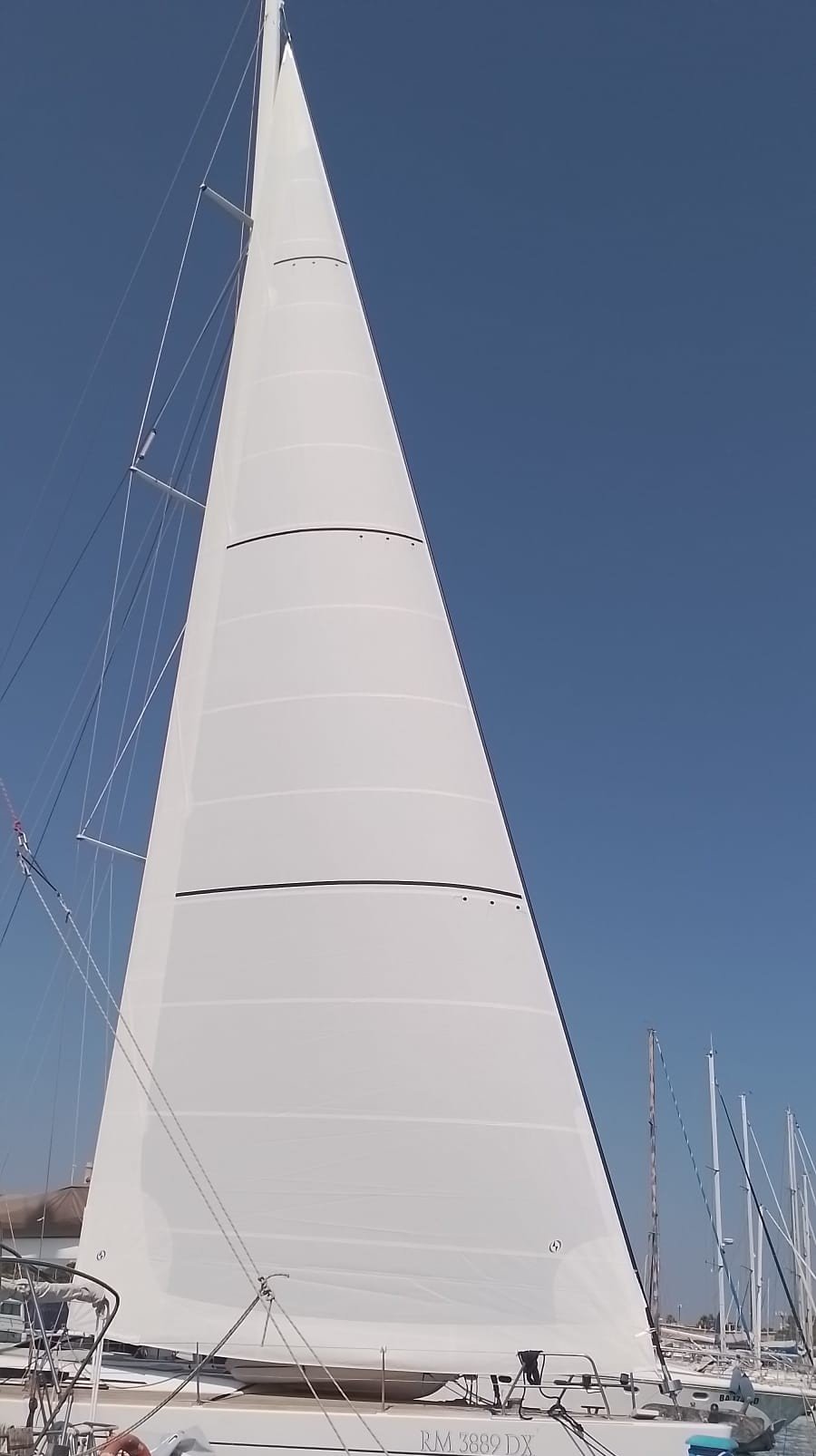
Performance Dacron from Banks Sails is for sailors who still like the honesty and reliability of a woven sail, but expect more in terms of shape stability, pointing and drive.
A big part of that performance doesn’t come from the cloth alone, but from how we design and finish the sail. Panel layout, shaping, reinforcements, batten configuration and detailing around corners and hardware all determine how well a Dacron sail carries its shape and how long it keeps it. We apply the same design discipline here as in our membrane sails, so the cloth can actually do its job.
For these sails we use more advanced, purpose-engineered woven cloths, where the weave pattern and its intensity are optimised for performance rather than only durability. Performance Dacron is still finished with a medium coating, which keeps the sail easier to hoist, furl and handle than a firm racing Dacron, while still offering significantly improved stability under load.
Sail material defines the limits of your sail: how light, how stiff, how tough. The design decides how close you can live to those limits without crossing them. That’s why we obsess over design first, and material second. Given a strong design, upgrading material brings real gains. With a weak design, you’re just throwing expensive fibers at a geometry problem.
» Durabilty
- 95%
» Lightness
- 35%
» Stretch
- 80%
» Price
- 20%
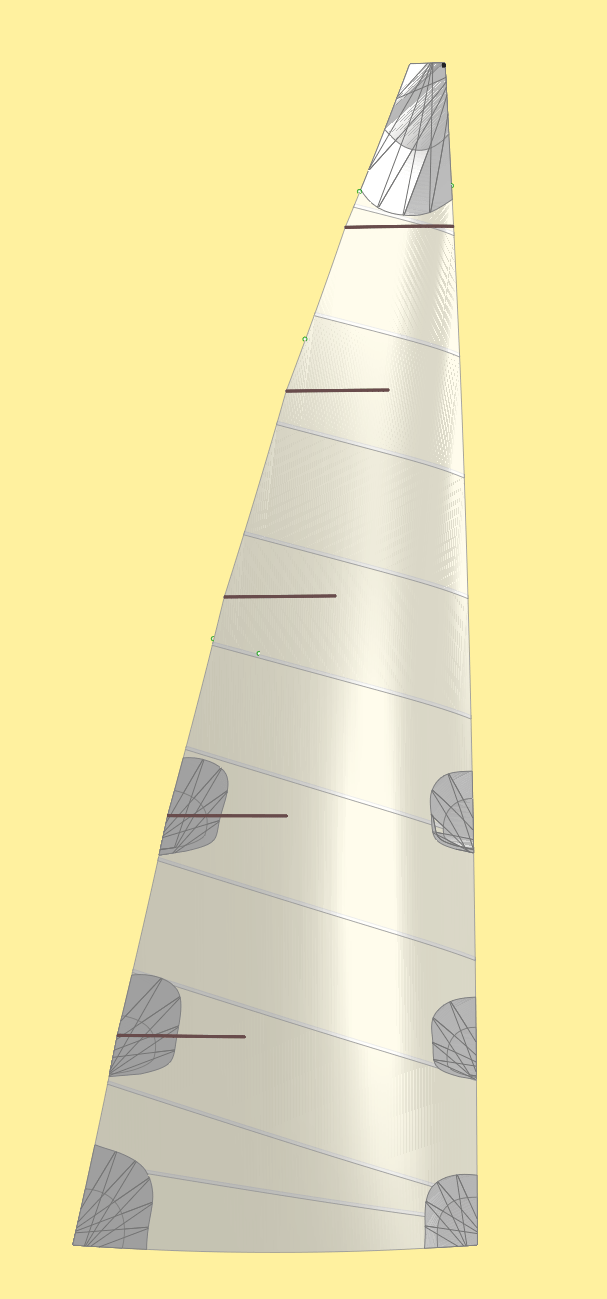
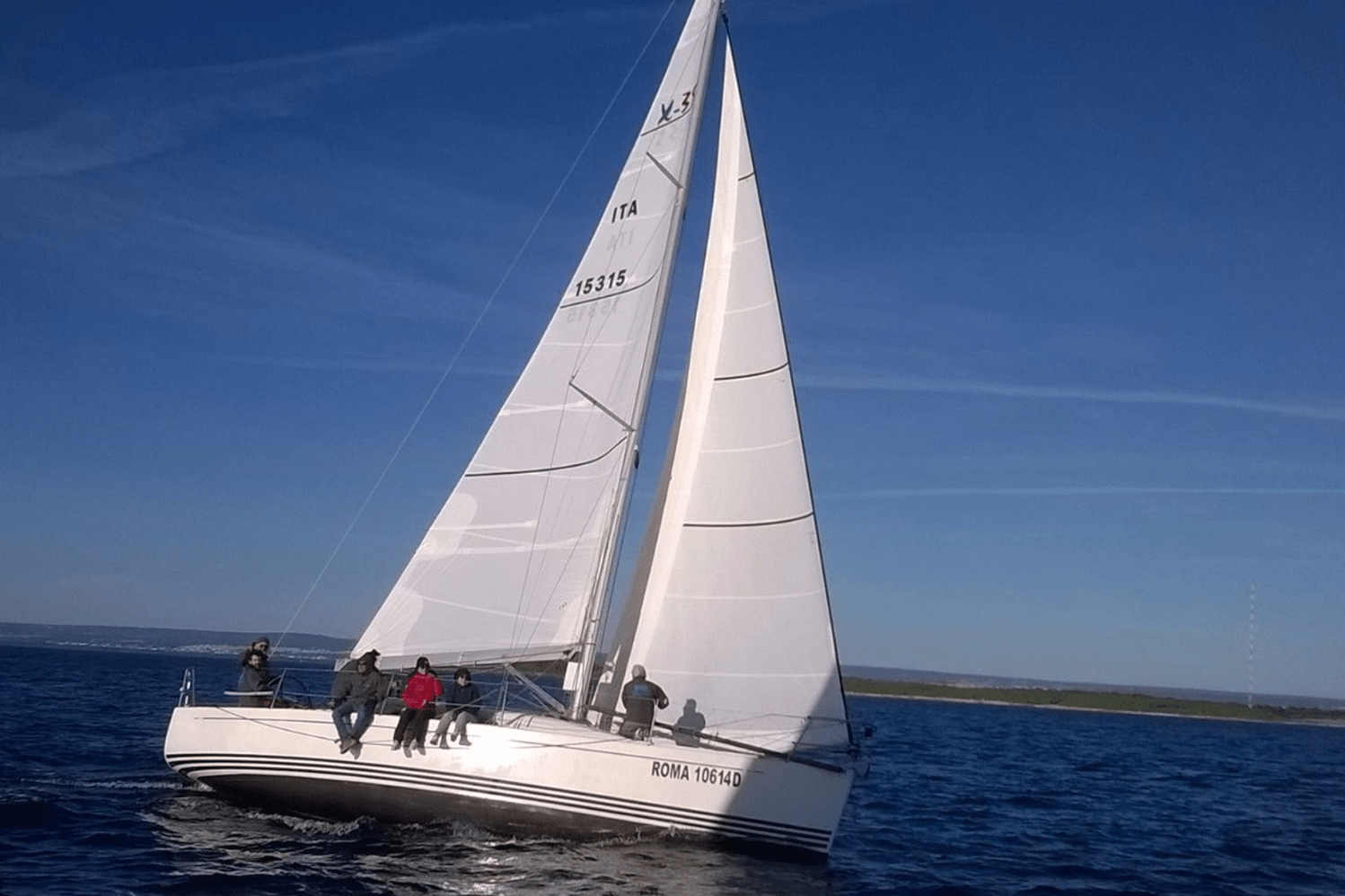
Racing Dacron from Banks Sails is made for sailors who push hard: dinghies, one-design keelboats and sportboats where every metre counts. It’s a woven sail built for real racing, with the control and stiffness you need when the rig is loaded and the breeze is up.
We know this game because we’ve been in it for decades. Banks sails have won sportboat World Championships, J/70 World Championships and a long list of national and international titles. On top of that, Paolo Semeraro brings a lifetime of racing experience, from Finns and small dinghies to top-level keelboat and sportboat racing. He races, he breaks things, he fixes them, and that experience goes straight into how we design our sails.
The cloth is only part of it. The way the sail is designed matters just as much: panel layout, shape, corners, batten positions and reinforcements are all matched to the class rules, the rig and how the boat is actually sailed. That’s what keeps the sail fast and in shape, not just the label on the roll.
Compared to our Performance Dacron, Racing Dacron is stiffer and less forgiving. It likes to be trimmed and sailed properly. If you do that, it points higher, feels cleaner and gives more drive. It’s the woven option for teams who race hard, want clear feedback from their sails and want something that has already proved itself on real racecourses, not just on paper.
Sail material defines the limits of your sail: how light, how stiff, how tough. The design decides how close you can live to those limits without crossing them. That’s why we obsess over design first, and material second. Given a strong design, upgrading material brings real gains. With a weak design, you’re just throwing expensive fibers at a geometry problem.
» Durabilty
- 80%
» Lightness
- 35%
» Stretch
- 80%
» Price
- 35%
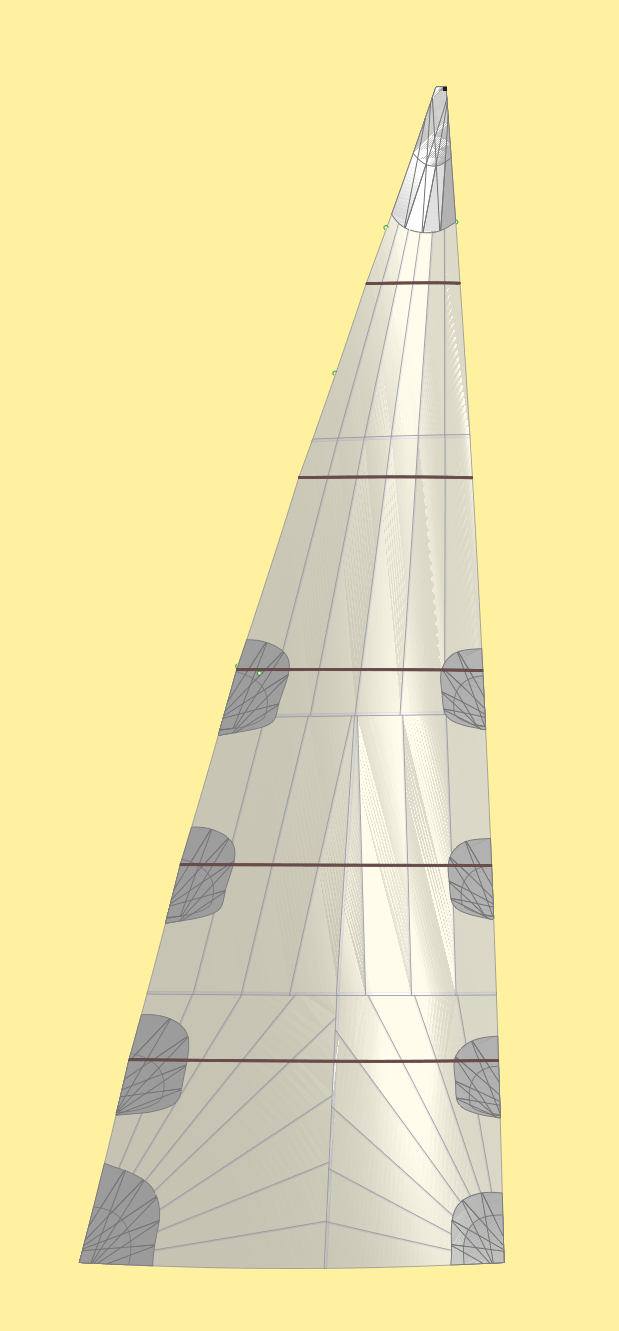
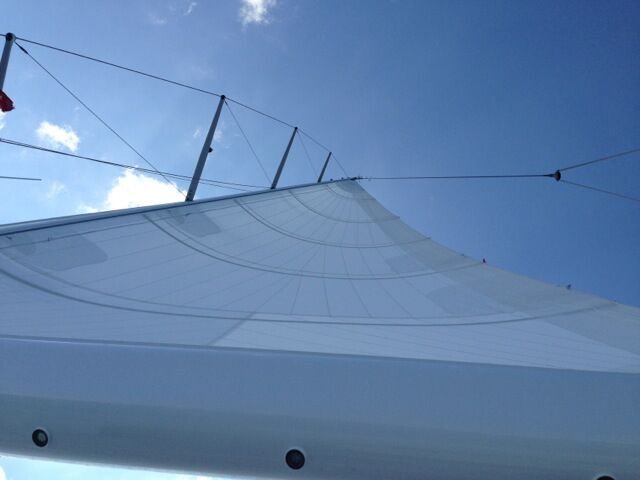
A hybrid woven sail combines classic polyester yarns with high-strength fibers like Dyneema or Kevlar, so you’re much less likely to overstretch the sail.
Because it’s still a woven cloth, it will always stretch a bit, but thanks to the Dyneema or Kevlar in the weave it stretches significantly less under heavy load, especially when doing upwind or in stronger breeze. Or when you sail long passages offshore. These sails are finished with a special coating but remain easy to handle, are tough on the foredeck, and very forgiving in everyday use.
These days they come not only in white anymore, you can choose grey or black as well.
Sail material defines the limits of your sail: how light, how stiff, how tough. The design decides how close you can live to those limits without crossing them. That’s why we obsess over design first, and material second. Given a strong design, upgrading material brings real gains. With a weak design, you’re just throwing expensive fibers at a geometry problem.
» Durabilty
- 90%
» Lightness
- 35%
» Stretch
- 80%
» Price
- 35%